Table of contents
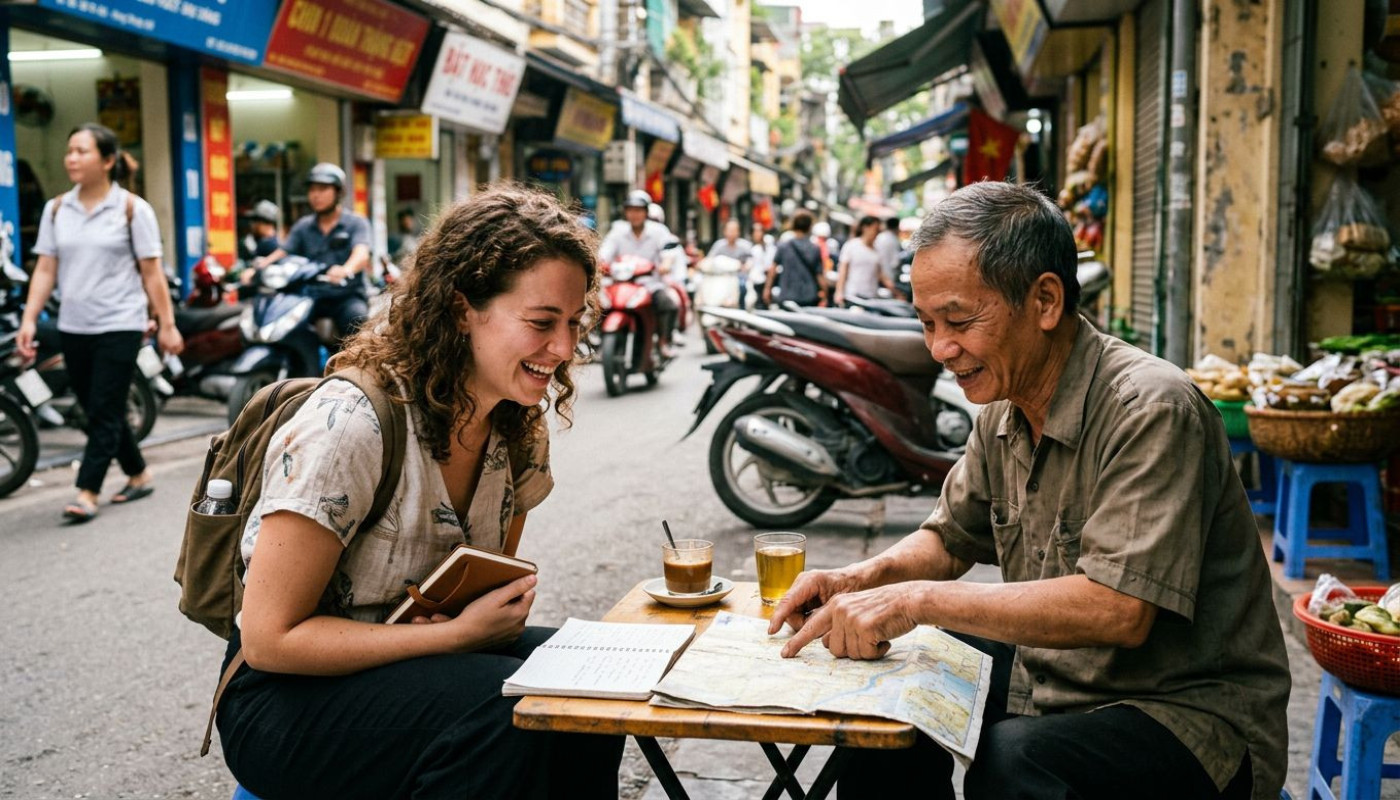
Skip the generic “Top 10” lists, and the trip changes. In an era when overtourism is reshaping destinations from Venice to Santorini, and when search feeds are flooded with recycled advice, local travel tips have become the quiet advantage for travelers who want more than a postcard view. They can save time, reduce costs, and turn crowded, predictable itineraries into experiences that feel personal, precise, and memorable, provided they are trustworthy, current, and grounded in reality.
What locals know that algorithms miss
“Why is everyone here, right now?” The question has become a reflex at the world’s most photographed spots, where the same GPS pins and influencer routes funnel thousands of visitors into the same narrow windows, and the result is not just longer lines but a thinner experience. Local tips, when they are real, do something search engines cannot easily replicate: they reflect the day-to-day rhythm of a place. That includes the hour when a harbor actually comes alive, the neighborhood café that stays calm after 10 a.m., and the side street that remains pleasant because it is not engineered for mass foot traffic.
The economic logic matters too. Crowds inflate prices, and not only for hotels. In cities under pressure, menus drift toward tourist demand, and the “quick lunch” becomes a €20 trap; by contrast, locally anchored recommendations often point to places that survive on repeat customers, which tends to keep portions honest and pricing closer to local incomes. Transport is another area where lived knowledge beats generic advice: which line is reliable in bad weather, how often the “every 10 minutes” bus actually runs on Sundays, and where the most common ticketing mistakes happen. These details sound small, yet they shape the day, and they accumulate into the feeling that a trip is either smooth or constantly fraying at the edges.
There is also a safety dimension that rarely makes it into glossy listicles. Local guidance often includes the unspoken etiquette, the areas that change character after dark, and the seasonal conditions that make a seemingly easy hike a bad idea. Even in destinations considered “safe,” visitors are most vulnerable when they do not understand local norms, and when they misread weather, terrain, or transport patterns. The best tips do not dramatize; they prevent friction. They help travelers arrive informed, blend in respectfully, and avoid the classic waste of time: paying too much for too little, or being herded through an experience designed for someone else’s itinerary.
Trust is the real currency of tips
One bad recommendation can sour a day. The modern travel web is riddled with incentives that distort advice: affiliate links, paid placements, and “locals” who are effectively marketers. That does not mean the internet is useless; it means verification matters. A reliable local tip has telltale signs: it is specific, it includes context, and it acknowledges trade-offs. When someone says, “Go at 7:30 a.m. because the wind usually rises by late morning,” or “Book Tuesday to avoid weekend crowds,” they are not merely naming a place, they are giving a reason rooted in patterns.
Cross-checking is the practical fix. If a recommendation appears in dozens of identical posts, it is probably not local insight, it is SEO echo. Better signals come from recent reviews that mention concrete details, local media coverage that explains what is changing, and official sources for conditions and closures. In many places, the most valuable information is ephemeral: a roadworks diversion, a reduced winter timetable, a restaurant that has quietly changed owners. Tips that were perfect in 2019 can be wrong in 2026, and the difference between “charming detour” and “wasted afternoon” is often one outdated assumption.
Money can also skew advice in subtler ways. A popular viewpoint may be “free,” yet require a rental car, expensive parking, and an hour of circling, while a less-hyped alternative might cost a small entry fee and save half a day. Locals, and travelers who listen to locals, often think in systems: time, energy, weather, and logistics. The point is not to fetishize obscurity, it is to make informed choices. A crowded landmark can still be worth it, and a hidden gem can be underwhelming, but when tips are trustworthy they give you agency, and that is what turns a trip from passive consumption into something you actively shape.
In Iceland, one detail changes everything
Weather is not small talk in Iceland, it is the storyline. On a map, distances look manageable; on the ground, wind, visibility, and rapid shifts can stretch a simple drive into a demanding day. Local advice here is less about secret spots than about sequencing and realism, and that is why it matters so much. The ring road may be a dream in summer, yet in shoulder seasons a single storm system can trigger road closures, reroutes, and delayed plans, and the travelers who do best are the ones who build flexibility into their schedule.
Timing is the first lever. Some iconic locations, such as the Golden Circle stops, can feel like conveyor belts at midday, but the atmosphere changes early and late. A local-style itinerary might prioritize sunrise light, or plan around cruise bus peaks, and it often includes time buffers that tour schedules cannot afford. The second lever is terrain: what looks like a quick stop can include slick paths, sudden gusts, and cold that drains energy faster than expected. Advice grounded in daily life pays attention to footwear, layers, and the unglamorous essentials: where to refuel, where the next reliable restroom is, how to avoid arriving hungry in a region with limited options.
Costs are another reality. Iceland is not a budget destination, and travelers quickly learn that small decisions add up, from fuel strategy to where they buy food. Local tips often focus on how to keep standards high without unnecessary spending: mixing restaurant meals with smart grocery stops, choosing accommodations that reduce backtracking, and understanding what is genuinely worth paying for, whether that is a geothermal experience, a guided glacier outing, or a specific whale-watching port that aligns with seasonal patterns. For travelers building an itinerary, practical, destination-specific guidance can be found at https://www.iceland-spirit.com/, which consolidates planning information in a way that reflects how Iceland actually works: variable weather, long daylight swings, and the need to treat logistics as part of the experience.
Done well, local insight also protects the landscape. Iceland has wrestled with overtourism pressures in certain corridors, and the country’s environment can be fragile, especially off marked paths. Good advice steers visitors toward responsible behavior, and often toward a broader spread of locations and seasons, reducing pressure on single hotspots. That is not only ethical; it is experiential. A quieter viewpoint, a well-timed soak, and a route chosen with conditions in mind can feel more “Icelandic” than the loudest stop on the checklist.
How to turn tips into a better trip
Collecting advice is easy; using it well is the skill. The most common mistake is to treat local tips as a scavenger hunt, stacking “must-do” suggestions until the itinerary collapses under its own weight. A better approach is editorial: pick a few priorities, then use local guidance to refine the how and when. Start with your non-negotiables, whether that is hiking, food, museums, or nature, and then apply tips to reduce friction: align transport with your energy, cluster activities geographically, and keep one flexible block per day for weather shifts or spontaneous finds.
Think in decision points. Where will you be at 9 a.m., at 1 p.m., and after dark, and what happens if conditions change? Local advice is most valuable at these pivots: the alternative route if a pass closes, the indoor option that still feels special, the place to eat that does not require an hour of waiting. This is also where budgeting becomes tangible. Instead of asking “How expensive is this country?”, ask, “Which days will be high-spend, and how do I balance them?” A guided activity might be the highlight, but it may also mean choosing cheaper meals that day, and local tips can tell you where that trade-off still feels satisfying.
Finally, treat tips as a conversation, even when they come from a screen. Look for sources that update, that admit uncertainty, and that explain why they recommend something. The goal is not to avoid famous places, it is to experience them on terms that fit you, and to discover what sits beyond the obvious. When local insight is accurate, it does not just improve logistics; it changes the emotional texture of a trip. You stop feeling pushed along by other people’s itineraries, and you start recognizing the place in front of you, at the pace and in the light that make it unforgettable.
Plan smarter, spend better, travel calmer
Build your itinerary early, then leave room to adapt, because weather, demand, and local schedules can shift fast. Reserve high-demand activities and key stays well ahead in peak season, and set a clear daily budget that includes transport and meals. Check whether destination-specific discounts, off-peak rates, or regional passes apply, and prioritize guidance that is recent, specific, and grounded in on-the-ground reality.
On the same subject

Why Travel Mishaps Hold The Best Advice For Future Journeys

Chasing Moments: Unexpected Lessons From Offbeat Excursions

What Motivates Adults Vs. Kids To Sign Up For Surf Camps
