Table of contents
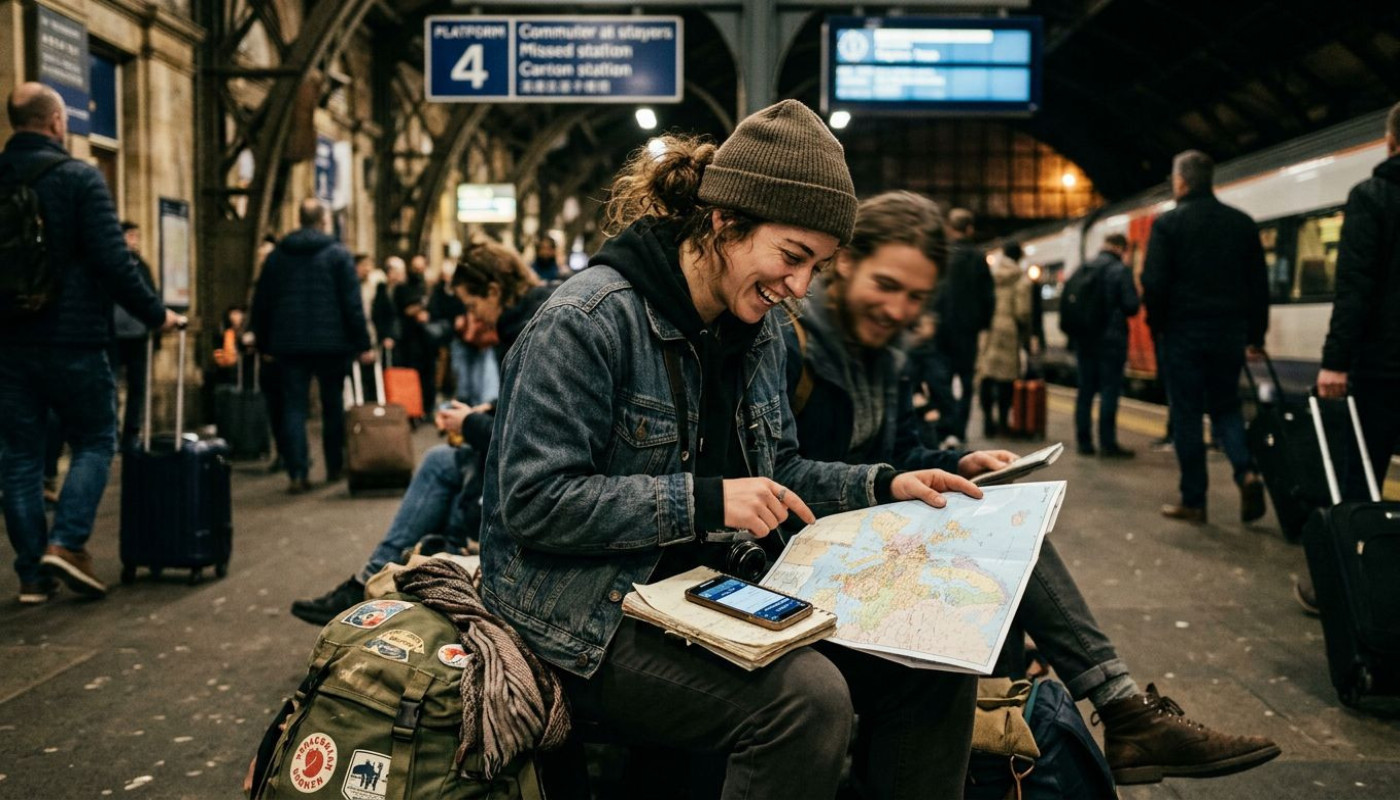
Overtourism made headlines again in 2024, from Venice’s new day-tripper fee to packed Greek islands warning of water stress, and many travellers are responding with a quieter kind of ambition, choosing places that feel less “done” yet still deliver culture, food, and infrastructure. What used to be called a “secondary city” is now a deliberate choice, powered by better rail and air links, smarter mapping tools, and a growing appetite for trips that spread spending beyond a handful of hotspots.
Overtourism backlash is changing itineraries
Travel has a congestion problem, and in 2024 it is no longer a niche complaint from locals or a seasonal inconvenience for visitors. The pressure is measurable, and it is pushing travellers toward lesser-known destinations that can offer the same emotional payoff with fewer bottlenecks. In Europe, Venice began charging day visitors a trial access fee on peak days, a move that grabbed global attention because it signalled a broader shift: cities are now actively managing demand rather than simply marketing themselves harder. Elsewhere, the conversation has turned to basic capacity, from water and waste systems on islands to crowd control at iconic viewpoints, and travellers, increasingly sensitive to the ethics and hassle of it all, are voting with their bookings.
The data behind this mood is hard to ignore. UN Tourism reported that international tourism rebounded strongly in 2024, returning close to pre-pandemic levels, and that recovery has been unevenly concentrated in the most famous places. Meanwhile, the World Travel & Tourism Council has repeatedly projected a record year for the sector’s economic contribution, which is good news in aggregate but can mean acute stress in specific neighbourhoods. When you combine those macro numbers with on-the-ground measures like reservation systems for attractions, timed entry, and new local levies, you get a clear message for consumers: the old “just show up” model is fading. Hidden gems benefit from this pivot because they offer what crowded capitals struggle to provide in high season: spontaneity, space, and a sense of discovery that feels personal again.
What is changing is not only where people go, but how they build their trips. The classic itinerary that hops between the same few cities is being replaced by hub-and-spoke planning: one major gateway, then day trips and overnights to surrounding towns, coastlines, and rural areas with strong transport links. Travellers have also become more strategic about timing, choosing shoulder seasons, early-morning slots, and weekday museum visits; these habits make it easier to consider places that were once dismissed as “too quiet” or “hard to fill” for a week. Quiet, in 2024, can be a feature, and destinations that can tell a compelling story without relying on bucket-list monuments are finding new audiences.
Secondary cities win on value and ease
Is “cheap” back in fashion? Not exactly, but value has become the defining travel word of the year, and secondary cities are the clearest way to get it without sacrificing comfort. After years of elevated airfares and volatile hotel prices, many travellers are building budgets with tighter guardrails, and the savings are often most dramatic outside the top-tier capitals. The pattern is visible across accommodation, dining, and even attractions, where ticket prices and timed-entry fees in the biggest cities can add up quickly for families and couples on a multi-stop tour. A less saturated destination can mean a better hotel for the same money, and a more flexible schedule once you arrive.
Ease is the other half of the equation, and it is where the “hidden gem” label has become slightly misleading. Many of these places are not remote at all; they are well-connected, well-served, and simply underrepresented in mainstream itineraries. Europe’s rail network has made cross-border hopping more seamless, Japan continues to draw visitors beyond Tokyo and Kyoto thanks to reliable regional trains, and in the United States, smaller cities with major airports have become practical weekend hubs. Add in the post-pandemic comfort with digital planning, from transit cards loaded on phones to real-time translation tools, and destinations that once felt “complicated” now feel manageable, even for first-time travellers.
There is also a psychological shift at work. In a world where popular spots are relentlessly documented, the promise of something that feels newly found has real currency, and it shows up in what people share. Social platforms still drive demand, but they increasingly reward specificity: a neighbourhood noodle shop, a coastal bike path, a market at dawn. Those details are easier to capture in places that are not constantly being photographed from the same angles. For travellers, that can translate into a trip that feels less like reenacting someone else’s highlight reel, and more like building a narrative that is uniquely theirs, with fewer queues, fewer “must-do” pressures, and more room to change plans when the weather turns.
How “hidden gems” are found now
Discovery has been democratised, and that is rewriting the map. The old gatekeepers, guidebooks, glossy magazines, and tour operators still matter, but the path from obscurity to popularity is now much shorter, and often data-driven. Travellers use map apps to look beyond the city centre, check public-transport times, and scan review volume as a proxy for crowd levels. They follow chefs, hikers, architects, and photographers rather than generic travel accounts, and they use short-form video to preview what a street actually feels like at 9 p.m., which is a powerful filter for whether a place matches their taste.
Airline networks also shape what becomes a “gem.” New routes, increased frequencies, and more competitive fares can turn a once inconvenient destination into a logical add-on, especially when it sits near a well-known gateway. In Asia, for example, travellers who land in Seoul often overlook the broader region, yet South Korea’s transport system makes it easy to widen the radius. Incheon, long treated as an airport stop rather than a destination, illustrates this shift well: beaches, islands, markets, and modern districts sit within reach, and the city’s position as a transport hub can turn a layover into a multi-day itinerary. For travellers looking to plan that kind of trip, practical resources matter, and https://www.incheon-trip.com/ is one example of a focused guide that can help visitors see beyond the terminal and build a route around neighbourhoods, coastal spots, and local food.
The definition of “hidden,” however, is changing in real time. A destination can go from under-the-radar to trending within a season, and the savvy traveller has learned to look for signals of impending crowds: sudden spikes in hotel prices, restaurant reservations disappearing weeks ahead, and a rapid increase in tagged locations online. Some respond by travelling earlier in the year, or by choosing adjacent areas that benefit from the same landscape or cultural scene without the flashpoint. Others lean into micro-planning, booking a handful of headline experiences while keeping the rest flexible, and that hybrid approach is becoming the norm for people who want both reliability and surprise.
Communities want visitors, but on their terms
Can tourism still be a win-win? It can, but only if the benefits are visible locally, and if the costs are managed before resentment sets in. Hidden gems are often communities that want the spending and the cultural exchange, yet fear being overwhelmed, and in 2024 many are trying to get ahead of the curve. That can mean limiting short-term rentals, protecting residential housing stock, and investing in visitor infrastructure that reduces friction for everyone, from cleaner public toilets to better signage and transit. It can also mean promoting dispersal, encouraging travellers to visit outside peak months, or to explore multiple districts rather than clustering around one photogenic street.
For travellers, this local-first approach changes what “responsible” looks like. It is not only about offsetting flights or avoiding plastic; it is about behaviour in place, and about spending patterns. Eating at independent restaurants, paying fair prices for local guides, respecting quiet hours, and learning basic etiquette can matter as much as any grand sustainability pledge. Choosing destinations that are ready for visitors, rather than simply “undiscovered,” is part of that ethic, because readiness often correlates with a better experience: fewer logistical headaches, clearer information, and a more relaxed welcome.
There is a bigger story underneath the trend. As climate risks rise and cities rethink mobility, tourism is becoming more regional, more seasonal, and more selective. Travellers are increasingly willing to swap one famous landmark for a slower day that feels grounded: a market breakfast, a ferry to a small island, a museum where you can actually hear yourself think. Hidden gems are redefining travel in 2024 because they align with the realities of the moment, from cost consciousness to crowd fatigue, while still delivering the core promise of a trip: to feel somewhere else, and to come back with memories that cannot be copied and pasted.
Planning the detour without overspending
Book transport early, then keep lodging flexible, and if you are targeting a newly trending spot, consider shoulder-season dates for better rates and lighter crowds. Check local passes and city cards, and look up regional subsidies or discounts that apply to families, students, or off-peak travel. For multi-stop itineraries, reserve only the few experiences that routinely sell out, then leave room for the kind of discoveries that make hidden gems worth the trip.
On the same subject

Exploring the Untouched Beauty of Bhutan
Are Local Travel Tips The Secret Ingredient To Unforgettable Trips?